
Oh my gosh, you’re going to LOVE this Valentine candy science recipe! It’s the perfect way to make holiday treats extra special while sneaking in some kitchen chemistry lessons. I remember the first time I made these with my niece – her eyes lit up when the sugar syrup transformed into shiny red hearts right before our eyes. That magical moment when cooking becomes science is just the best!
This valentine candy science recipe is my go-to February activity because it’s simple enough for little hands (with supervision, of course) but fascinating enough to keep adults entertained too. We get to watch molecules rearrange themselves while creating something delicious – talk about a sweet Valentine’s Day surprise! And the best part? You probably already have most of the ingredients in your pantry.
Every year when Valentine’s Day rolls around, I pull out my trusty candy thermometer and heart molds, ready for another round of sugary experiments. There’s something so satisfying about turning basic kitchen staples into festive, melt-in-your-mouth treats. Trust me, once you try this recipe, you’ll understand why it’s become my favorite February tradition!
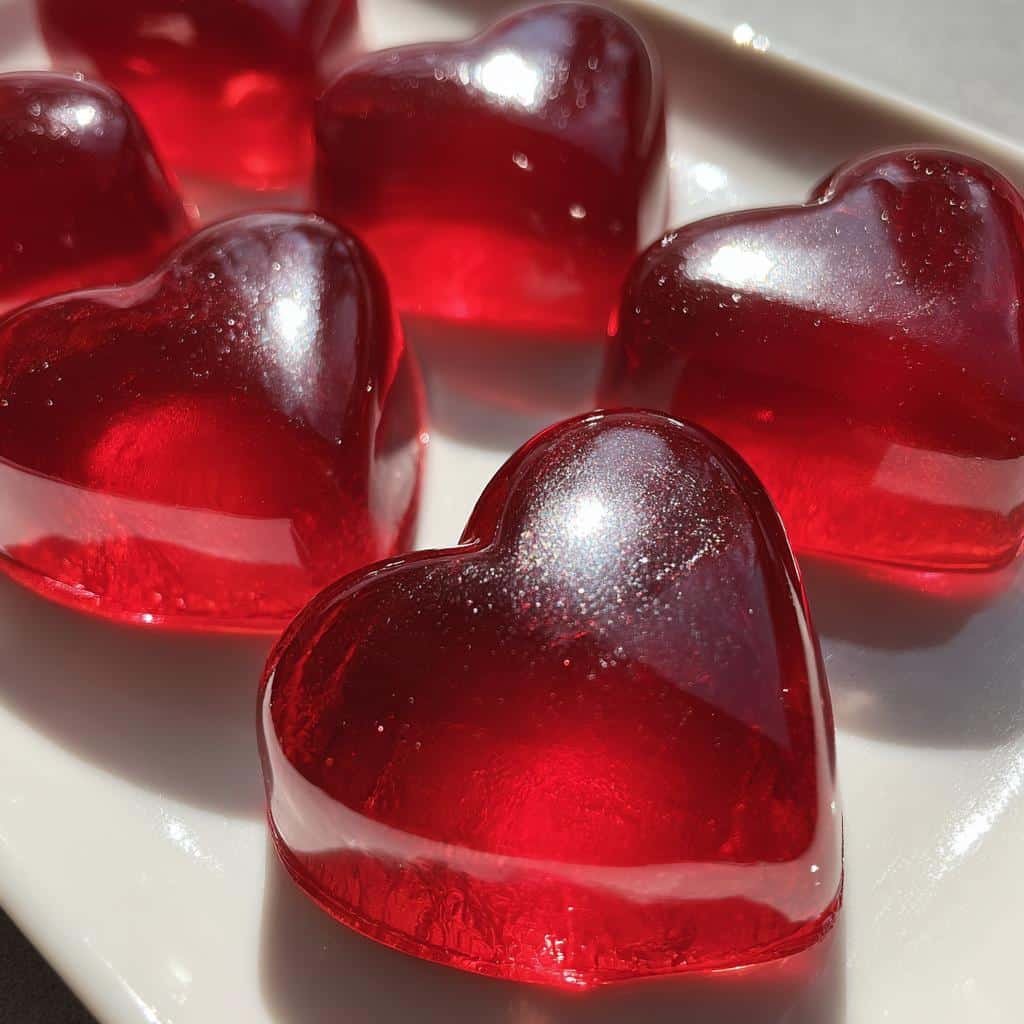
Why You’ll Love This Valentine Candy Science Recipe
This isn’t just any candy recipe – it’s a magical kitchen experiment that’ll have everyone ooh-ing and aah-ing! Here’s why it’s become my absolute favorite Valentine’s Day activity:
- Total kid-magnet: Watching sugar transform into glossy candy is like edible magic (plus they’ll learn real science without realizing it!)
- Pantry-friendly ingredients: No fancy shopping trips needed – just basic sugar, water, and a few staples you likely have already
- Instant Valentine’s spirit: Those ruby-red hearts make the sweetest homemade gifts (teachers and neighbors adore them!)
- Science made delicious: You get to teach molecular changes while creating something actually edible – talk about a win-win
- 30 minutes start-to-finish: Quick enough for after-school projects but special enough for date night treats
Seriously, I’ve never met anyone – kid or adult – who didn’t go crazy for this sweet little science experiment. The way their faces light up when the candy comes out of the molds? That’s the real Valentine’s magic right there.
Valentine Candy Science Recipe Ingredients
Grab these simple ingredients and let’s make some sweet science magic happen! Here’s exactly what you’ll need:
- 1 cup granulated sugar (plain white sugar works perfectly)
- 1/2 cup water (filtered is best if your tap water has strong flavors)
- 1/4 cup light corn syrup (the clear kind, not dark)
- 1/4 teaspoon cream of tartar (trust me, don’t skip this!)
- 1 teaspoon vanilla extract (the good stuff makes all the difference)
- Red food coloring (as desired – I use about 10 drops for vibrant hearts)
- Heart-shaped candy molds (non-stick silicone ones work like a dream)
Ingredient Notes & Substitutions
Okay, let me explain why these ingredients matter so much! The cream of tartar is our secret weapon – it keeps sugar crystals from forming and gives that perfect smooth texture. If you’re out, you can use 1/2 teaspoon lemon juice instead, but the results won’t be quite as consistent.
Corn syrup prevents crystallization too – honey works in a pinch but tends to make the candy softer. And about those molds: silicone is my go-to because the candy pops right out, but if you only have plastic, just give them a light spritz with cooking spray first. Oh, and don’t even think about substituting the sugar – this recipe needs regular granulated sugar to work its magic!
How to Make This Valentine Candy Science Recipe
Alright, let’s get cooking – I mean, experimenting! This is where the magic happens, but remember: adult supervision is a must because we’re working with crazy-hot sugar. Here’s exactly how I make these every year:
- Mix it up: Grab your heaviest saucepan (light pans burn too easily!) and combine the sugar, water, corn syrup, and cream of tartar. Stir just until the sugar dissolves – about 2 minutes on medium heat.
- Bring to a boil: Now here’s the important part – stop stirring! Let it bubble away until your candy thermometer hits exactly 300°F (hard crack stage). This takes about 10-12 minutes – patience is key!
- Color and flavor: Quickly pull it off the heat and stir in the vanilla and food coloring. Work fast – the syrup starts setting almost immediately!
- Pour with care: Carefully drizzle the molten syrup into your heart molds. Pro tip: Use a heatproof measuring cup with a spout for neat pouring.
- Cool completely: Let them sit undisturbed until totally hard – about 20 minutes. Then pop them out and admire your edible science project!
Tips for Perfect Valentine Candy
Listen up, because these little tricks make ALL the difference! First, never stir once boiling starts – that causes dreaded crystallization. If sugar crystals form on the pan’s sides, just brush them down with a wet pastry brush.
Work like you’re in a candy shop when it’s time to pour – that syrup sets FAST. Silicone molds are lifesavers here since the candy pops right out. And if your first batch sticks? No worries! Just remelt and try again – even failed experiments taste delicious.
Oh! And that saucepan cleanup? Fill it with hot water right after pouring – the hardened sugar will dissolve like magic. See? Science makes even cleaning up easier!
Valentine Candy Science Recipe Variations
Oh, the fun really begins when you start playing with variations! Once you’ve mastered the basic recipe, try these easy twists to keep the edible experiments going:
- Rainbow science: Skip the red and make a whole spectrum – use different food colorings and layer them in the molds for tie-dye effects
- Flavor explosions: Swap vanilla for peppermint extract (perfect for winter) or try almond for a nostalgic marzipan vibe
- Shape shifters: Use star molds for “science lab” candies or letters to spell out sweet messages
- Glitter magic: After unmolding, lightly brush with edible glitter while still slightly sticky
My niece and I once made a whole periodic table of candy elements – talk about a delicious chemistry lesson!
Serving & Storing Your Valentine Candy
These sweet little science experiments are almost too pretty to eat – almost! Store them in an airtight container at room temperature (no fridge needed), and they’ll stay fresh for 1-2 weeks. Pro tip: Layer them between parchment paper so they don’t stick together.
For gifting, I love using clear cellophane bags tied with ribbon – they show off the candy’s pretty color while keeping it fresh. Tuck a few into lunchboxes or use them as place settings at Valentine’s dinner. Just be warned: you might have to make a double batch once people taste them!
Valentine Candy Science Recipe FAQs
Okay, let’s tackle those burning candy questions I get asked every Valentine’s season! Trust me, I’ve made every mistake so you don’t have to.
Can I use honey instead of corn syrup?
Yes, but with a warning! Honey works in a pinch, but your candy will be softer and stickier. The corn syrup’s job is to prevent crystallization, and honey just doesn’t fight sugar crystals as effectively. If you must substitute, use 1/4 cup honey and add 1 extra tablespoon water.
Why did my candy crystallize?
Oh honey, I feel your pain! This usually happens if you stirred after boiling began or if sugar crystals stuck to the pan’s sides. Next time, brush the pan’s sides with a wet pastry brush as it cooks, and resist that stirring urge once boiling starts!
How do I clean the saucepan?
Don’t panic – it’s easier than you think! Immediately after pouring, fill the pan with hot water and let it soak. The hardened sugar will dissolve like magic. For stubborn bits, simmer some water in the pan – science comes to the rescue again!
Can kids help with this recipe?
Absolutely! Mine love measuring ingredients and adding food coloring. But the boiling sugar part? That’s strictly adult territory. We make it a team effort – they feel involved while staying safe.
Nutritional Information
Just a quick heads up – these nutrition facts are estimates since results vary based on exact measurements and brands used. Each little heart candy (about 1-inch size) contains roughly:
- 50 calories
- 12g sugar
- 0g fat
- 0g protein
Remember, we’re making candy here – these are pure sugary science treats meant for special occasions and happy smiles!
Share Your Valentine Candy Creations
I’d love to see your candy science experiments! Snap a photo of your glossy red hearts (or whatever colorful creations you dreamed up) and share them in the comments below. Did you try any fun variations? Leave a star rating too – your feedback helps other kitchen scientists try this sweet experiment!
Print
Magical Valentine Candy Science Recipe in 30 Minutes
- Total Time: 25 mins
- Yield: 20 candies 1x
- Diet: Vegetarian
Description
A fun and easy Valentine’s Day candy science recipe that kids and adults will love. Combines simple ingredients to create a sweet treat with a science twist.
Ingredients
- 1 cup granulated sugar
- 1/2 cup water
- 1/4 cup light corn syrup
- 1/4 tsp cream of tartar
- 1 tsp vanilla extract
- Red food coloring (as desired)
- Heart-shaped candy molds
Instructions
- Combine sugar, water, corn syrup, and cream of tartar in a saucepan.
- Heat over medium heat, stirring until sugar dissolves.
- Bring to a boil without stirring until the mixture reaches 300°F (hard crack stage).
- Remove from heat and stir in vanilla and food coloring.
- Pour into heart-shaped molds and let cool completely.
- Remove from molds and enjoy your Valentine’s candy.
Notes
- Use a candy thermometer for accuracy.
- Work quickly once the mixture reaches temperature.
- Adult supervision is required for safety.
- Prep Time: 10 mins
- Cook Time: 15 mins
- Category: Dessert
- Method: Stovetop
- Cuisine: American
Nutrition
- Serving Size: 1 candy
- Calories: 50
- Sugar: 12g
- Sodium: 0mg
- Fat: 0g
- Saturated Fat: 0g
- Unsaturated Fat: 0g
- Trans Fat: 0g
- Carbohydrates: 13g
- Fiber: 0g
- Protein: 0g
- Cholesterol: 0mg
Keywords: valentine candy, science recipe, homemade candy, valentine's day treats