
There’s something magical about baking a Greek New Year’s cake—the scent of butter and vanilla filling the kitchen, the excitement of who’ll find the lucky coin in their slice. My yiayia (grandmother) made her Vasilopita every year without fail, insisting it brought blessings to our home. This sweet, slightly citrusy cake isn’t just dessert—it’s a celebration packed with hope! The moment when we cut the first slice at midnight, searching for that foil-wrapped coin, still gives me goosebumps. Today I’m sharing my family’s greek new years cake recipe tips lucky celebration traditions so you can start your own delicious New Year’s ritual.
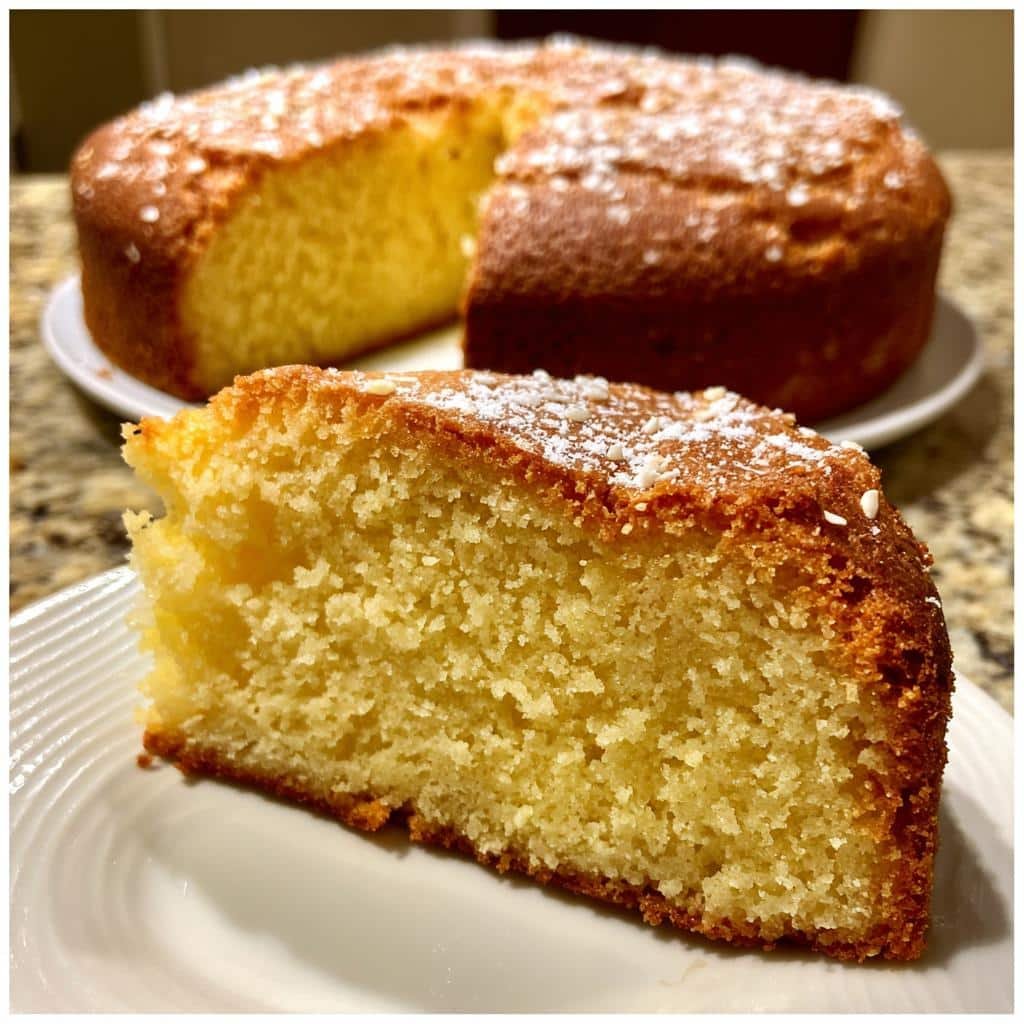
Why You’ll Love This Greek New Year Cake Recipe
This Vasilopita isn’t just another cake—it’s a slice of joy wrapped in tradition! Here’s why it’ll become your new favorite New Year’s ritual:
- The easiest good luck charm you’ll ever bake – Just one hidden coin turns dessert into a thrilling fortune-teller (watch the kids’ faces light up!)
- Bursting with cozy aromas – That heavenly blend of butter, vanilla, and warm spices will make your kitchen smell like a Greek bakery
- More than food, it’s family magic – Cutting the first slice at midnight connects you to generations of celebrations (my yiayia wouldn’t start a year without it)
- Impossibly moist texture – Thanks to that perfect balance of eggs and butter, every bite stays tender for days
Trust me, once you’ve seen how this greek new years cake recipe tips lucky celebration transforms your holiday table, you’ll be baking it every December 31st!
Ingredients for Greek New Year Cake
Gathering these simple ingredients is the first step to creating your lucky New Year’s cake. Here’s what you’ll need (and yes, that coin is non-negotiable!):
- 3 cups all-purpose flour – spooned and leveled for accuracy
- 1 cup sugar – regular granulated works perfectly
- 1/2 cup unsalted butter, softened – leave it out for 30 minutes beforehand
- 3 eggs – room temperature helps them incorporate better
- 1/2 cup milk – whole milk gives the richest texture
- 1 tsp baking powder + 1/2 tsp baking soda – our rising dream team
- 1 tsp vanilla extract – the good stuff makes all the difference
- 1/2 tsp ground mahlepi + 1/4 tsp ground mastic (optional) – these traditional Greek spices add citrusy-pine notes (substitute with 1 tsp cinnamon + 1/2 tsp nutmeg if needed)
- 1 egg yolk + 1 tbsp sesame seeds – for that gorgeous golden crust
- 1 clean coin wrapped tightly in foil – scrub a quarter or drachma well first!
See? Nothing too fancy – just pantry staples plus that all-important lucky charm. Now let’s get mixing!
Essential Equipment for Greek New Year Cake
You probably have most of these tools already! Here’s what you’ll need to make your lucky Vasilopita:
- 9-inch round cake pan – the classic shape for this tradition
- Large mixing bowl + medium bowl – one for wet, one for dry ingredients
- Hand mixer or sturdy whisk – to cream that butter and sugar perfectly
- Spatula – for folding in the coin without peeking!
- Pastry brush – to glaze with egg yolk for that golden shine
That’s it – no fancy gadgets required. Now let’s bake some luck!
Step-by-Step Greek New Year Cake Instructions
Ready to bake some New Year’s magic? Follow these steps carefully – especially when hiding that lucky coin! The process is simple, but those little details make all the difference.
Preparing the Batter
First, preheat your oven to 350°F (175°C) and grease your round cake pan well. Now grab that softened butter and sugar – this is where the magic starts! Cream them together in your large bowl until fluffy and pale (about 3 minutes with a mixer). Add eggs one at a time, mixing well after each until the batter looks like smooth yellow satin.
Pour in the milk and vanilla, giving it a quick stir. In your other bowl, whisk together all the dry ingredients – flour, baking powder, baking soda, and those special spices if you’re using them. Gradually add the dry mix to the wet ingredients, folding gently until just combined. The batter should drop slowly from your spatula – thick but pourable.
Baking with the Lucky Coin
Here comes the fun part! Pour half the batter into your prepared pan. Now take that foil-wrapped coin (make sure it’s sealed tight!) and place it right in the center. Cover completely with the remaining batter – no peeking allowed! Brush the top with beaten egg yolk and sprinkle generously with sesame seeds for that traditional crackly crust.
Bake for 40-45 minutes until golden brown and a toothpick comes out clean (except where it hits melted butter – that’s normal!). The cake should spring back when gently pressed.
Finishing and Serving
Let the cake cool completely in its pan – about 2 hours. This is crucial, or the coin might shift when cutting! When it’s time, gather everyone around. Traditionally, the head of household makes the first cut for Saint Basil, then slices are served by age from oldest to youngest. Watch those faces light up when someone discovers the coin – that’s your lucky winner for the year!
Tips for the Perfect Greek New Year Cake
After years of making Vasilopita (and a few hilarious coin-hiding mishaps!), I’ve learned these foolproof tricks for New Year’s cake success:
- Room temp is everything – Cold eggs and butter won’t cream properly. Take them out 30 minutes before baking
- Double-wrap that coin! Use two layers of foil to prevent any metallic taste from sneaking into your cake
- The toothpick lie – Test multiple spots since butter pockets can fool you. The cake’s done when edges pull from the pan
- Cool completely – I know it’s tempting, but cutting warm cake makes the coin slide around!
- Spice swap secret – If mahlepi’s unavailable, orange zest + cinnamon makes a delicious alternative
Follow these greek new years cake recipe tips lucky celebration traditions, and you’re guaranteed a cake that’s both delicious and full of New Year’s magic!
Variations on the Greek New Year Cake
Don’t be afraid to make this Vasilopita your own! While my family swears by the classic version, I’ve played around with some tasty twists over the years. Try adding a tablespoon of orange zest to the batter for a bright citrus kick – it pairs beautifully with the vanilla. Almond extract (just 1/2 teaspoon) gives a lovely depth too. Not a fan of spices? Skip the mahlepi and mastic entirely – the cake still tastes amazing with just that rich butter flavor. The only non-negotiable? That lucky coin hiding inside!
Serving and Storing Your Greek New Year Cake
The moment of truth! At midnight, gather everyone around the cake – the first slice always goes to Saint Basil (we leave it on the table overnight). Then cut pieces from oldest to youngest – watching faces light up when someone finds the coin is pure magic! Store leftovers at room temp for 2 days (wrap tightly) or freeze slices for up to 3 months. Just don’t forget who found the coin – they’ll remind you all year!
Greek New Year Cake Nutritional Information
Now, I’m no nutritionist, but I can tell you this – Vasilopita is meant to be enjoyed as a special celebration treat, not an everyday snack! The exact nutrition will vary depending on your specific ingredients (like whether you use whole milk or almond milk) and how thick you slice it. My yiayia would always say, “It’s New Year’s – calories don’t count until January 2nd!” That said, this cake does pack protein from all those eggs and some calcium from the milk. Just remember – the real magic isn’t in the numbers, it’s in that lucky coin and the joy of sharing it with loved ones!
Greek New Year Cake FAQs
Over the years, I’ve gotten all sorts of questions about our family’s Vasilopita traditions. Here are the ones that come up most often (along with my tried-and-true answers!):
Can I use a different coin for the Greek New Year cake?
Absolutely! Any small, clean coin works – we’ve used quarters, dimes, even a drachma from my grandfather’s collection. Just scrub it well with soap and water (no one wants dish detergent flavor!), then double-wrap it in foil to prevent any metallic taste from seeping into your lucky cake. Coins have a long history in traditions worldwide.
What if I can’t find mahlepi or mastic spices?
No worries – this cake is forgiving! My aunt substitutes 1 tsp cinnamon + 1/2 tsp nutmeg, while I sometimes add orange zest for that citrusy note. The cake still tastes amazing, and the New Year’s luck stays intact!
Why does my cake sometimes sink in the middle?
Ah, the classic Vasilopita slump! Usually means you overmixed the batter after adding flour (stop when just combined) or opened the oven door too early. But here’s a secret – even lopsided cakes bring good luck when made with love! Understanding leavening agents can help prevent sinking.
Can I make this Greek New Year cake ahead?
You bet! Bake it up to 2 days before – just wrap tightly at room temp. Some families believe the luck gets stronger as it rests! For longer storage, freeze slices up to 3 months (thaw at room temp when ready to serve).
Greek New Year Cake Recipe: 5 Lucky Tips for Joyful Celebrations
- Total Time: 1 hour 5 minutes
- Yield: 1 cake (10-12 servings) 1x
- Diet: Vegetarian
Description
A traditional Greek New Year’s cake, known as Vasilopita, is a sweet bread or cake baked to celebrate the new year. It contains a hidden coin for luck.
Ingredients
- 3 cups all-purpose flour
- 1 cup sugar
- 1/2 cup unsalted butter, softened
- 3 eggs
- 1/2 cup milk
- 1 tsp baking powder
- 1/2 tsp baking soda
- 1 tsp vanilla extract
- 1/2 tsp ground mahlepi (optional)
- 1/4 tsp ground mastic (optional)
- 1 egg yolk (for glaze)
- 1 tbsp sesame seeds (for topping)
- 1 clean coin (wrapped in foil)
Instructions
- Preheat your oven to 350°F (175°C) and grease a round cake pan.
- In a large bowl, cream the butter and sugar until fluffy.
- Add eggs one at a time, mixing well after each addition.
- Stir in milk and vanilla extract.
- In another bowl, whisk together flour, baking powder, baking soda, mahlepi, and mastic.
- Gradually add dry ingredients to wet ingredients, mixing until just combined.
- Pour half the batter into the pan, place the wrapped coin in the center, then cover with remaining batter.
- Brush the top with egg yolk and sprinkle with sesame seeds.
- Bake for 40-45 minutes or until a toothpick comes out clean.
- Let cool before slicing to reveal the lucky coin.
Notes
- The person who finds the coin in their slice is said to have good luck for the year.
- Traditionally served at midnight on New Year’s Eve.
- Can substitute mahlepi and mastic with 1 tsp cinnamon and 1/2 tsp nutmeg if unavailable.
- Prep Time: 20 minutes
- Cook Time: 45 minutes
- Category: Dessert
- Method: Baking
- Cuisine: Greek
Nutrition
- Serving Size: 1 slice
- Calories: 280
- Sugar: 18g
- Sodium: 120mg
- Fat: 9g
- Saturated Fat: 5g
- Unsaturated Fat: 3g
- Trans Fat: 0g
- Carbohydrates: 45g
- Fiber: 1g
- Protein: 5g
- Cholesterol: 70mg
Keywords: Greek New Year cake Vasilopita recipe lucky coin celebration tradition