
There’s nothing quite like the magic of creating a Christmas fondant cake – it’s like wrapping your holiday dessert in a beautiful, edible present! I still remember my first attempt at fondant decorating; let’s just say it looked more like a snowman melting in July than a festive masterpiece. But after years of practice (and a few hilarious disasters), I’ve discovered the secrets to making stunning Christmas fondant cakes that will wow your guests. Trust me, with these simple tips, you’ll be creating professional-looking cakes that taste as good as they look. The best part? It’s way easier than you think once you know a few tricks.
Why You’ll Love These Christmas Fondant Cake Tips
Let me tell you why these fondant tips will become your new holiday baking best friends. First off, they make decorating so much easier than you’d expect. No more stress over messy frosting or lopsided designs – fondant gives you that smooth, polished look every time. And the results? Absolutely stunning. Your cakes will look like they came straight from a professional bakery (but don’t worry, I won’t tell anyone how simple it really was!).
- Effortless elegance: Fondant transforms even basic cakes into showstoppers with minimal effort
- Endless creativity: You can mold, color, and decorate to match any Christmas theme imaginable
- Perfect for photos: That flawless fondant surface makes your holiday dessert table Instagram-worthy
- Fun for all ages: Kids love helping with the decorating (just wait till you see their faces when the fondant goes on!)
Seriously, once you try these techniques, you’ll wonder why you ever decorated cakes any other way during the holidays!
Essential Ingredients for Your Christmas Fondant Cake
Okay, here’s the deal – the right ingredients make all the difference between a fondant masterpiece and a holiday baking disaster. First things first, you’ll need 500g of fondant icing (I always keep extra just in case – trust me on this). Your cake base should be about 1kg – either a sturdy sponge or my personal favorite, a rich fruitcake that holds up beautifully under fondant. Don’t forget the 200g buttercream for that crucial crumb coat – it’s like the glue that holds everything together! For festive colors, grab some food coloring in red and green (gel works best for vibrant shades), and absolutely essential – cornstarch for dusting to prevent sticky situations. Last but not least, raid your baking cupboard for edible decorations – sprinkles, pearls, or whatever makes your holiday heart sing!
Equipment You’ll Need for Decorating
Don’t stress – you probably have most of these tools already! A basic rolling pin is your fondant’s best friend (I’ve used a clean wine bottle in a pinch). A non-stick mat saves so much frustration – just wipe it clean after. Grab a sharp knife for trimming and a fondant smoother (or the back of a spoon works surprisingly well). That’s it! No fancy gadgets needed for professional-looking results.
Step-by-Step Christmas Fondant Cake Tips for Stunning Success
Alright, let’s roll up our sleeves (literally!) and dive into the magic of creating your Christmas fondant cake. I’ll walk you through each step just like I’m there in the kitchen with you – complete with all my hard-earned tricks to avoid the mistakes I made on my first attempts!
Preparing Your Cake Base
First rule of fondant club: start with a perfectly level cake. I learned this the hard way when my first fondant-covered cake looked like the Leaning Tower of Pisa! Use a serrated knife to carefully slice off any dome, then give it a quick flip so the flattest side is up. Now for the secret weapon – a thin layer of buttercream (about 1/4 inch) to seal in crumbs. Pro tip: chill the cake for 15 minutes after crumb-coating – it makes the fondant application SO much easier!
Rolling and Applying the Fondant
Here’s where the real fun begins! Dust your work surface with cornstarch (flour can dry out fondant) and roll to about 5mm thickness – think “credit card thickness” for perfect drape. Lift the fondant carefully using your rolling pin (I hold my breath every time!) and drape it over the cake. Now the magic touch: start smoothing from the top down with your hands, working out any air bubbles as you go. If you spot wrinkles, gently lift and smooth – fondant is surprisingly forgiving if you catch mistakes early!
Adding Festive Colors and Decorations
This is where your Christmas fondant cake really comes to life! For coloring, knead gel food coloring into small fondant portions before rolling – it gives the most vibrant results. I love doing red and green holly leaves, or a snowy white with edible glitter. When placing decorations, use a tiny brush with water as “glue” – just don’t overdo it or they’ll slide! My favorite holiday touches? Mini fondant presents around the base or a cute fondant snowman topper that always gets compliments.
Pro Tips for a Flawless Christmas Fondant Cake
After years of fondant triumphs (and a few hilarious disasters), here are my can’t-live-without tips for perfect results every time:
- Work cool: Fondant hates heat! If your kitchen’s warm, pop it in the fridge for 5 minutes if it gets too sticky – just don’t let it dry out.
- Keep it covered: Always keep unused fondant under plastic wrap or in a zip-top bag – it dries out faster than you’d think!
- Cornstarch is your friend: Dust your hands and tools lightly to prevent sticking, but don’t overdo it or you’ll get a chalky finish.
- Fix mistakes with vodka: Sounds crazy, but a tiny brush dipped in vodka smooths out fingerprints and seams like magic (and the alcohol evaporates!).
Trust me, these little tricks make all the difference between “homemade” and “wow, did you buy that?!”
Common Christmas Fondant Cake Mistakes to Avoid
Oh honey, I’ve made ALL the fondant mistakes so you don’t have to! First up – cracks happen when fondant dries out. The fix? Knead in a tiny bit of vegetable shortening to bring it back to life. Those pesky air bubbles? Just poke them with a pin and smooth gently – no one will ever know! And whatever you do, don’t rush the decorating. Fondant needs patience – if you try to move too fast, you’ll end up with wrinkles or tears. Take your time, and your Christmas cake will be picture-perfect!
Christmas Fondant Cake Variations
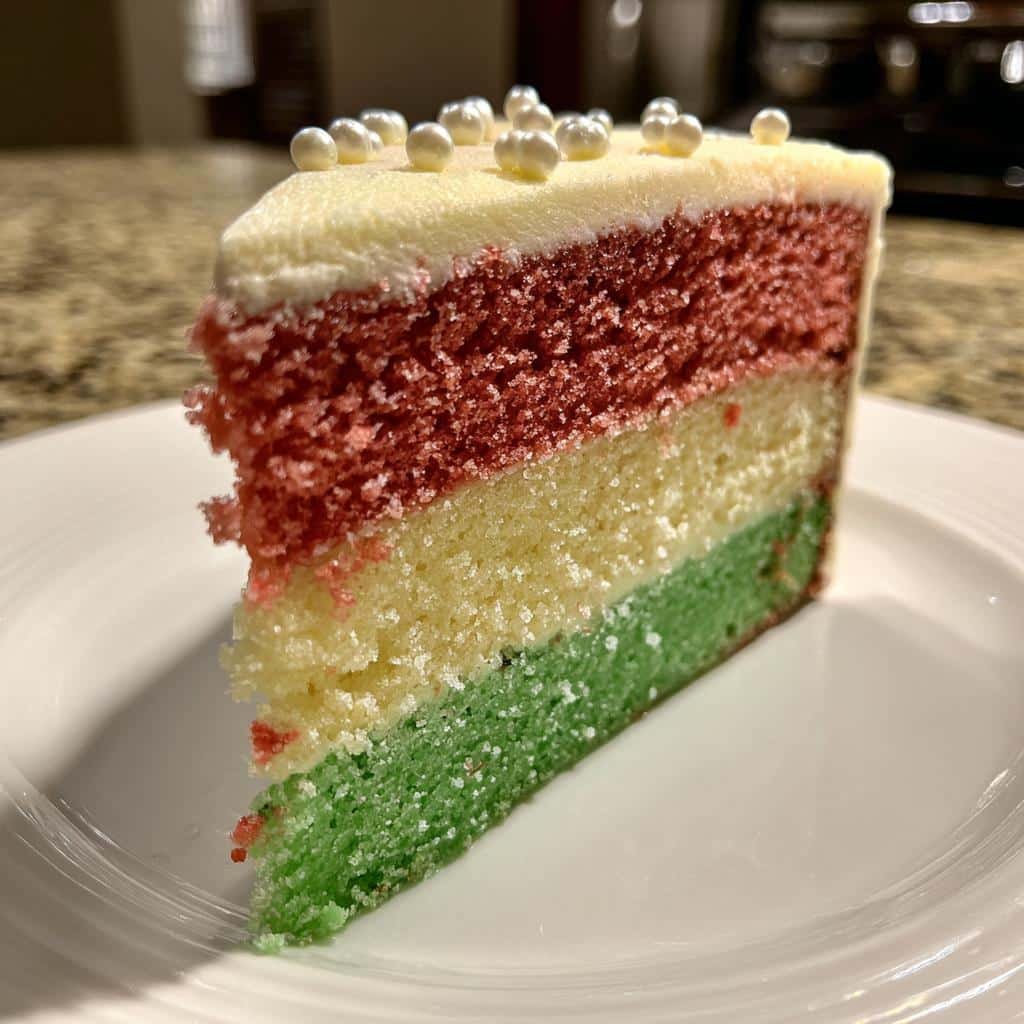
Who says Christmas fondant cakes have to be traditional? My favorite part is playing with different designs each year! Try an elegant snowflake theme with white fondant and edible silver dust, or go bold with ombre red-to-green layers for a modern twist. Last year I made a “ugly sweater” cake with textured fondant that had everyone laughing. The possibilities are endless – let your holiday spirit guide you!
Serving and Storing Your Christmas Fondant Cake
Here’s the scoop on keeping your masterpiece fresh – fondant cakes actually taste best at room temperature! I always serve mine within 3 days of decorating for peak deliciousness. Whatever you do, don’t refrigerate it – that’s a surefire way to get sticky, sweating fondant (trust me, I learned this the messy way!). Store under a cake dome or loosely tented with foil in a cool spot – not the fridge! If your kitchen’s warm, a quick 10-second microwave zap per slice makes the cake underneath nice and cozy while keeping the fondant perfect.
Nutritional Information
Just so you know what you’re indulging in (because hey, it’s Christmas!), here’s the scoop per slice: about 350 calories, with 40g sugar – but who’s counting during the holidays, right? Keep in mind these are estimates – actual numbers can vary based on your exact ingredients and decorations. Enjoy every delicious bite!
FAQs About Christmas Fondant Cakes
Can I use marshmallow fondant for my Christmas cake?
Absolutely! Marshmallow fondant tastes delicious and works great – just knead it well so it’s smooth. It’s slightly stickier than regular fondant, so use extra cornstarch when rolling.
How do I fix torn fondant?
Don’t panic! Dab a tiny bit of water on the tear and gently press together. For bigger tears, patch with extra fondant and smooth the seams – it’ll blend right in after decorating.
Why does my fondant keep sticking?
You probably need more cornstarch! Dust your surface, rolling pin, and hands lightly. If it’s still sticky, your fondant might be too warm – let it rest in a cool spot for 10 minutes.
Can I make fondant decorations ahead?
Yes! Shape your fondant ornaments 2-3 days early and store them in an airtight container. They’ll firm up slightly, making them easier to handle when decorating your Christmas cake.
How do I get vibrant red and green colors?
Use gel food coloring (not liquid!) and knead it in thoroughly. For deep red, start with pink fondant and add color gradually – it prevents you from using too much coloring.
5 Christmas Fondant Cake Tips for Stunning Holiday Magic
- Total Time: 30 minutes
- Yield: 1 cake (serves 8-10) 1x
- Diet: Vegetarian
Description
Learn how to make a stunning Christmas fondant cake with these simple tips. Perfect for festive celebrations.
Ingredients
- 500g fondant icing
- 1kg cake (sponge or fruitcake)
- 200g buttercream
- Food coloring (red, green, or as desired)
- Cornstarch for dusting
- Edible decorations (sprinkles, pearls, etc.)
Instructions
- Level your cake for a flat surface.
- Cover the cake with a thin layer of buttercream.
- Roll out the fondant to 5mm thickness.
- Drape the fondant over the cake and smooth it evenly.
- Trim excess fondant from the base.
- Add food coloring for festive shades.
- Decorate with edible ornaments.
Notes
- Keep fondant covered to prevent drying.
- Use a non-stick mat for rolling.
- Work in a cool, dry place.
- Prep Time: 30 minutes
- Cook Time: 0 minutes
- Category: Dessert
- Method: No-bake
- Cuisine: International
Nutrition
- Serving Size: 1 slice (100g)
- Calories: 350
- Sugar: 40g
- Sodium: 50mg
- Fat: 12g
- Saturated Fat: 6g
- Unsaturated Fat: 4g
- Trans Fat: 0g
- Carbohydrates: 60g
- Fiber: 1g
- Protein: 2g
- Cholesterol: 20mg
Keywords: Christmas fondant cake, fondant tips, festive cake decorating