
There’s something magical about German Christmas food recipes that wraps you up in warmth like your favorite holiday blanket. I still remember the first time I stepped into my Oma’s kitchen during Advent—the rich scents of cinnamon, vanilla, and butter melting together made my stomach growl before I even saw the cookies! These comforting dishes aren’t just about taste; they’re about creating moments. Whether it’s buttery Springerle cookies leaving their delicate imprints or spicy Lebkuchen filling the air with ginger and cloves, every bite carries generations of love. That’s the real secret ingredient in German holiday baking—not just what goes into the bowl, but who you’re baking for.
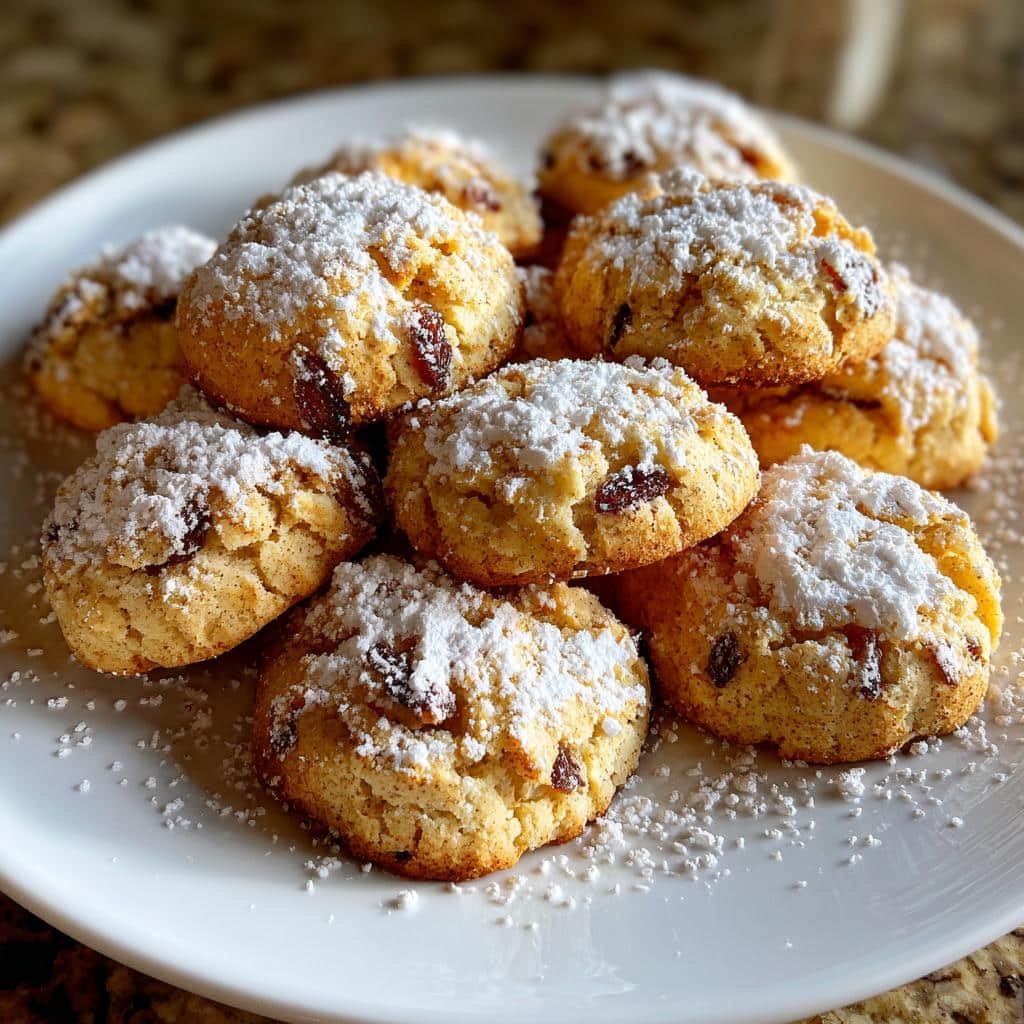
Why You’ll Love These German Christmas Food Recipes
These recipes aren’t just delicious—they’re edible holiday magic. Every December, my kitchen transforms into a cozy winter wonderland thanks to these comforting dishes. Here’s why they’ll become your new favorites too:
Rich in Tradition and Flavor
Each bite carries centuries of German baking heritage. The cinnamon and vanilla blend creates that unmistakable holiday aroma, while the almond-raisin combo gives every cookie nostalgic depth. My Oma always said, “Good cookies tell stories,” and these definitely whisper sweet memories.
Perfect for Holiday Gatherings
Nothing brings people together like a plate of warm Christmas cookies! They’re easy to make in big batches (trust me, you’ll need extras) and look gorgeous on festive platters. Plus, kids love helping cut out the shapes—messy fingers and all.
Ingredients for German Christmas Cookies
Here’s everything you’ll need to make these cozy, fragrant cookies that smell like Christmas morning. I always measure everything out first—just like my Oma taught me—so I don’t get halfway through and realize I’m short on butter (been there, cried over that).
- 500g flour – The base of our dough. All-purpose works perfectly!
- 250g butter – Unsalted, and please, let it soften naturally—no microwaving! Cold butter makes tough cookies.
- 150g sugar – Regular granulated is fine, but sometimes I sneak in 50g brown sugar for extra warmth.
- 2 eggs – Room temperature, of course. I crack mine into a bowl first to avoid shell surprises.
- 1 tsp cinnamon – The holiday spice MVP. Freshly ground if you’re fancy like my Tante Helga.
- 1 tsp vanilla extract – The real stuff, not imitation. It makes all the difference.
- 100g ground almonds – They add this wonderful texture that makes people ask, “What’s your secret?”
- 100g raisins – Soak them in warm tea first if you want them extra plump and juicy.
See? Nothing too wild—just simple, honest ingredients that come together to make something magical. Now grab your mixing bowls and let’s get baking!
How to Make German Christmas Cookies
Now comes the fun part – turning these simple ingredients into little holiday miracles! Don’t let the traditional aspect intimidate you; this recipe is surprisingly forgiving. Just follow these steps, and you’ll have cookies that’ll make your kitchen smell like a German Christmas market.
Preparing the Dough
First things first – preheat that oven to 180°C (350°F). While it’s warming up, let’s make magic happen in the mixing bowl. I always start by creaming the softened butter and sugar together until it’s light and fluffy – about 3 minutes with a hand mixer. Then beat in the eggs one at a time, followed by the vanilla. The secret here? Don’t rush it! Proper creaming makes all the difference in texture.
Now, whisk together the flour, cinnamon, and ground almonds in a separate bowl. Gradually add this to the wet ingredients, mixing just until combined. The dough should come together nicely but still feel slightly sticky. That’s when you knead in those plump raisins (I use my hands for this part – it’s therapeutic!). Wrap the dough in cling film and let it rest for 30 minutes. This rest time is crucial – it makes rolling so much easier!
Shaping and Baking
Lightly flour your work surface and rolling pin – not too much, or your cookies will be tough! Roll the dough to about 1/4 inch thickness. Here’s where you can get creative with cookie cutters – stars, trees, bells, or simple rounds all work beautifully. Pro tip: dip your cutters in flour first to prevent sticking.
Arrange the shapes on parchment-lined baking sheets, leaving a little space between them. Bake for 15-20 minutes until the edges just start turning golden. They’ll continue to firm up as they cool, so don’t overbake them. Let them rest on the tray for 5 minutes before transferring to a wire rack – this patience prevents crumbly disasters!
Tips for Perfect German Christmas Cookies
After years of making these cookies (and plenty of “learning experiences”), I’ve gathered some foolproof tricks to guarantee success every time. First – the dough should feel like playdough when it’s ready to roll. If it’s too sticky, add a tablespoon of flour; too dry? A teaspoon of milk or egg yolk will save the day. Always chill the dough if your kitchen is warm – cold dough holds its shape better when cutting.
For storage, layer cookies between parchment paper in an airtight container. They’ll stay fresh for 2 weeks… if they last that long! A slice of bread in the container keeps them soft, while a sprinkle of powdered sugar before serving makes them extra festive.
Ingredient Substitutions & Notes
Don’t stress if you’re missing something—these cookies are wonderfully adaptable! For nut allergies, swap the ground almonds with equal parts flour or oat flour (my cousin does this, and they’re still delicious). Not a raisin fan? Dried cranberries or chopped apricots make festive alternatives—just chop them raisin-sized so they distribute evenly.
Out of vanilla extract? A splash of rum or almond extract adds lovely depth. And if butter’s scarce, margarine works in a pinch, though the flavor won’t be quite as rich. One non-negotiable? Letting the dough rest—it prevents spreading and gives those spices time to mellow beautifully.
Serving Suggestions for German Christmas Food
These cookies practically beg to be served with steaming mugs of glühwein or spiced hot chocolate—the warmth melts the spices in the most magical way. For a real treat, arrange them on a vintage platter with clementines and walnuts, just like the stalls at Christkindlmarkt. The contrast of citrus and spice? Perfection!
Storing and Reheating
Here’s my foolproof system for keeping these cookies tasting fresh-baked all season long! Store them in an airtight container at room temperature—they’ll stay perfect for up to 2 weeks. For longer storage, freeze them between layers of parchment paper; they thaw beautifully in just 30 minutes. Want that just-baked warmth? A quick 10-second zap in the microwave makes them taste like they just came out of Oma’s oven. Just don’t tell her I use modern appliances!
Nutritional Information
Each of these cozy German Christmas cookies packs about 120 calories – just enough to fuel your holiday cheer! They contain 6g of fat (that rich butter goodness), 15g carbs (hello, comfort), and 2g protein. Remember, nutrition can vary based on your specific ingredients and brands. But honestly? Some treats are worth every bite when they taste like childhood memories!
FAQs About German Christmas Food Recipes
Over the years, I’ve gotten so many questions about these beloved holiday cookies! Here are the answers to the ones I hear most often – straight from my flour-dusted recipe notebook.
How Long Do These Cookies Stay Fresh?
Properly stored in an airtight container, these cookies stay deliciously soft for about 2 weeks at room temperature. The raisins help keep them moist! If they start to dry out (unlikely in my house), a quick zap in the microwave with a damp paper towel works wonders.
Can I Use Nuts Instead of Almonds?
Absolutely! My aunt always uses hazelnuts for a toastier flavor, while walnuts add lovely texture. Just pulse them finely in your food processor first. For nut allergies, sunflower seeds or pumpkin seeds make great alternatives – they give that same satisfying crunch without the allergens.
Can I freeze the dough? Yes! Wrap it tightly in plastic and freeze for up to 3 months. Thaw overnight in the fridge before rolling and baking.
Why did my cookies spread? Usually means your butter was too soft or the dough didn’t rest enough. Chill the shaped cookies for 15 minutes before baking next time!
Share Your Holiday Baking Experience
Did you try these German Christmas cookies? I’d love to hear your stories! Did your kids decorate them with sprinkles? Did they disappear faster than you could say “Frohe Weihnachten”? Leave a comment below with your baking adventures – and don’t forget to rate the recipe if it brought some holiday magic to your kitchen!
Print
5 German Christmas Food Recipes for Cozy Holiday Cheer
- Total Time: 50 minutes
- Yield: 24 cookies 1x
- Diet: Vegetarian
Description
Traditional German Christmas recipes that bring warmth and comfort during the holiday season. These dishes are rich in flavor and perfect for festive gatherings.
Ingredients
- 500g flour
- 250g butter
- 150g sugar
- 2 eggs
- 1 tsp cinnamon
- 1 tsp vanilla extract
- 100g ground almonds
- 100g raisins
Instructions
- Preheat the oven to 180°C.
- Mix flour, butter, and sugar in a bowl.
- Add eggs, cinnamon, and vanilla extract, then knead into dough.
- Fold in ground almonds and raisins.
- Roll out the dough and cut into shapes.
- Bake for 15-20 minutes until golden.
Notes
- Let the dough rest for 30 minutes before rolling.
- Store in an airtight container for freshness.
- Prep Time: 30 minutes
- Cook Time: 20 minutes
- Category: Dessert
- Method: Baking
- Cuisine: German
Nutrition
- Serving Size: 1 cookie
- Calories: 120
- Sugar: 8g
- Sodium: 50mg
- Fat: 6g
- Saturated Fat: 3g
- Unsaturated Fat: 2g
- Trans Fat: 0g
- Carbohydrates: 15g
- Fiber: 1g
- Protein: 2g
- Cholesterol: 20mg
Keywords: German Christmas cookies, holiday baking, festive treats